
By Alex Dzissah, Founder, AKD Painting
If your Inner West home was built before the 1970s, its original paint almost certainly contains lead. That is not a reason to panic, but it does change how the home should be prepared and repainted. Handled properly, lead paint is managed safely as a matter of routine. Handled badly, sanding it dry can spread lead dust through your home and garden. Here is how a professional painter deals with it.
Why older Inner West homes have it
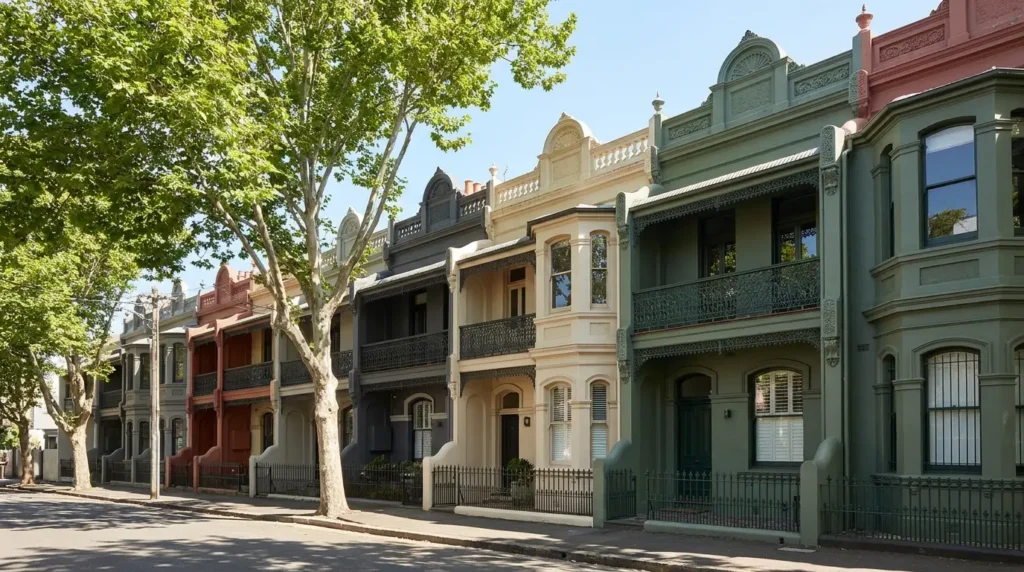
Lead was standard in Australian paint, especially exterior and timber paints, until it was phased down through the 1970s. The Inner West is full of Federation, Victorian and inter-war homes from well before then, so the original undercoats on windows, doors, verandah timber, eaves and skirtings usually contain lead. The risk is not the intact paint, it is disturbing it: dry sanding, scraping or heat-stripping without controls creates lead dust and fumes. Suburbs like Haberfield, Petersham and Stanmore are almost entirely pre-war stock, so we treat lead as the default there.
Testing first
The first step is testing. We check the surfaces we plan to disturb, because the approach changes if lead is present. Testing takes the guesswork out and lets us scope the preparation and the safety controls accurately before any work starts.
Safe preparation
Where lead is present, preparation is done with controls: wet methods and sealed sanding with HEPA-filtered extraction rather than dry sanding, drop sheets to contain debris, and care around gardens and play areas. Surfaces are cleaned down so no dust is left behind. This is slower than a rough scuff-sand, which is one reason a proper heritage repaint costs more than a quick job, and it is not something to cut corners on with children or pets in the home. The same containment approach applies to ordinary interior prep, which we cover in how we control dust on interior repaints.
Disposal
Lead waste, including dust, scrapings and used sheeting, is bagged and disposed of to SafeWork NSW and local requirements, not swept into the garden or the household bin. Doing this correctly is part of a compliant job.
What you should ask a painter
Before anyone sands or scrapes an older Inner West home, ask whether they test for lead, whether they use sealed sanding with HEPA extraction, and how they dispose of the waste. A painter who works on period homes should answer all three without hesitation.
This post is part of our full guide to heritage and Federation house painting in the Inner West.
Newtown, Enmore and Stanmore have the densest pre-1915 housing in the Inner West, so lead-safe preparation is standard on almost every job our painters in Newtown take on.
For a recent example of lead-safe preparation on period metalwork, see our pressed metal ceiling restoration, where failed paint was taken back by hand rather than sanded.
Frequently asked questions
Does my Inner West home have lead paint?
If it was built before the late 1970s, its original paint very likely contains lead, especially on exterior and timber surfaces. We test before disturbing those surfaces.
Is it safe to live in the home during the work?
Yes, when it is done with proper controls: wet or sealed sanding, HEPA extraction, containment and clean-down. Problems come from dry sanding without controls, which we do not do.
Do you dispose of lead waste properly?
Yes. Lead dust, scrapings and sheeting are contained and disposed of to SafeWork NSW and local requirements.
Repainting a period home in the Inner West? We test for lead and prepare it safely as standard. Book a free on-site quote via our contact page, or call 0474 854 369.
About the author
Alex Dzissah is the founder of AKD Painting, a fully licensed Sydney painting business operating since 2013. Alex and his team specialise in interior, exterior, residential and commercial painting across Sydney, with particular expertise in Inner West heritage, federation and terrace homes.